


 2 min read
 14
 Linkedin
 Threads
 Facebook
 X

The Trump-Vance administration is expanding its nationwide campaign against government fraud, bringing together federal agencies, state governors, and law enforcement officials to protect billions of dollars in taxpayer-funded programs.
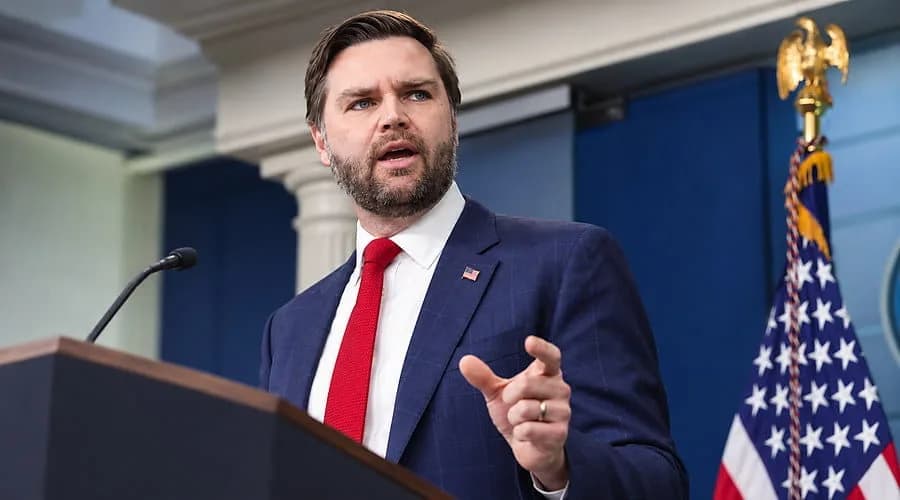
On October 16, the White House announced growing support for Vice President JD Vance's Pledge to Protect Americans from Fraud, an initiative calling on officials at every level of government to prevent fraudulent payments, strengthen eligibility verification, and pursue those who exploit public assistance programs.
The effort is coordinated through the White House Task Force to Eliminate Fraud, led by Vance.
The announcement includes reported results from the Treasury Department, Department of Education, Department of Labor, and other federal agencies.
But the larger story reaches beyond recovering stolen money.
The administration wants to change how government operates: identify fraud before payments leave the Treasury, rather than attempting to recover taxpayer dollars after they disappear.
How Much Money Is at Risk?
Government fraud is a significant financial problem.
In a 2024 study, the independent Government Accountability Office estimated that federal agencies lost between $233 billion and $521 billion annually to fraud, based on fiscal years 2018 through 2022.
Those estimates cover multiple administrations and include varying risk conditions, including pandemic-era programs.
The figures illustrate why preventing fraudulent payments could have enormous financial consequences.
Every dollar improperly obtained through fraud represents resources that cannot be used for their intended purpose without additional funding.
For families relying on healthcare, student assistance, disaster relief, or other essential services, protecting program integrity is particularly important.
Treasury Reports Millions Recovered and Payments Blocked
Treasury Secretary Scott Bessent reported several concrete actions supporting the administration's campaign.
According to his statement, Treasury returned approximately $175 million in payments intended for deceased individuals and expanded access to its Do Not Pay system to 99% of federal programs.
The department also reported stopping nearly $190 million connected to overseas fraud and returning more than $100 million to American victims.
Treasury has ordered an audit of approximately $9 billion in departmental contracts and is expanding confidential whistleblower reporting.
These actions represent different categories of financial activity: payments prevented, money recovered, contracts under review, and funds returned to victims. They should not be combined into a single total of recovered taxpayer money.
The strategic shift is important.
Verifying recipients before payment can prevent losses that might otherwise require expensive investigations and years of recovery efforts.
Education, Labor, and Law Enforcement Join the Effort
Other departments are reporting significant activity.
Education Secretary Linda McMahon said her department has prevented more than $2 billion in student-aid fraud through stronger verification measures.
Labor Secretary Keith Sonderling reported that approximately $22 billion in labor-related fraud has been uncovered.
The FBI, meanwhile, highlighted six arrests involving individuals on its most-wanted fraud lists, associated with more than $2 billion in alleged fraud.
Those figures reflect different stages of investigation and enforcement, including suspected misconduct, blocked transactions, and alleged losses.
The Justice Department has also committed to investigating and prosecuting fraud affecting federal programs.
Together, the measures connect technology, financial oversight, eligibility checks, and criminal enforcement.
State Governors Are Joining the Coalition
The initiative is expanding beyond Washington.
The White House identified governors from Montana, Ohio, Indiana, Tennessee, South Carolina, North Dakota, and numerous other states supporting Vance's pledge.
Their participation matters because many federally funded assistance programs depend on state agencies to verify eligibility, administer benefits, and process payments.
The Government Accountability Office has previously identified inconsistent data systems and limited information sharing as obstacles to detecting fraud across federal and state programs.
Better coordination can help agencies identify duplicate claims, suspicious transactions, and eligibility irregularities while protecting legitimate beneficiaries.
Protecting Benefits Means Protecting Families
For taxpayers, fraud prevention is also about confidence that public money is being used responsibly.
A senior receiving Medicare benefits should be able to trust that program funds are protected from fraudulent billing.
A student applying for financial assistance should not lose opportunities because criminals exploit education programs.
And families recovering from natural disasters depend on emergency resources reaching legitimate recipients promptly.
Effective anti-fraud systems must combine verification with accurate decisions so eligible people are not unnecessarily denied assistance.
That is the larger purpose behind the administration's emphasis on prevention and accountability.
A New Standard for Government Spending
The Trump-Vance initiative connects financial oversight with a broader commitment to government efficiency.
Rather than treating fraud as an unavoidable expense, the administration is encouraging departments and states to identify weaknesses, share information, and intervene earlier.
The reported enforcement actions demonstrate the scale of activity already underway, while the nationwide pledge creates a common framework for additional cooperation.
For American families, the objective is straightforward: public money should reach its intended recipients, and criminals should face accountability.
Protecting taxpayer dollars is about more than balancing government accounts. It is about preserving the resources, services, and public trust on which American families and future generations depend.