
 3 min read
 3
3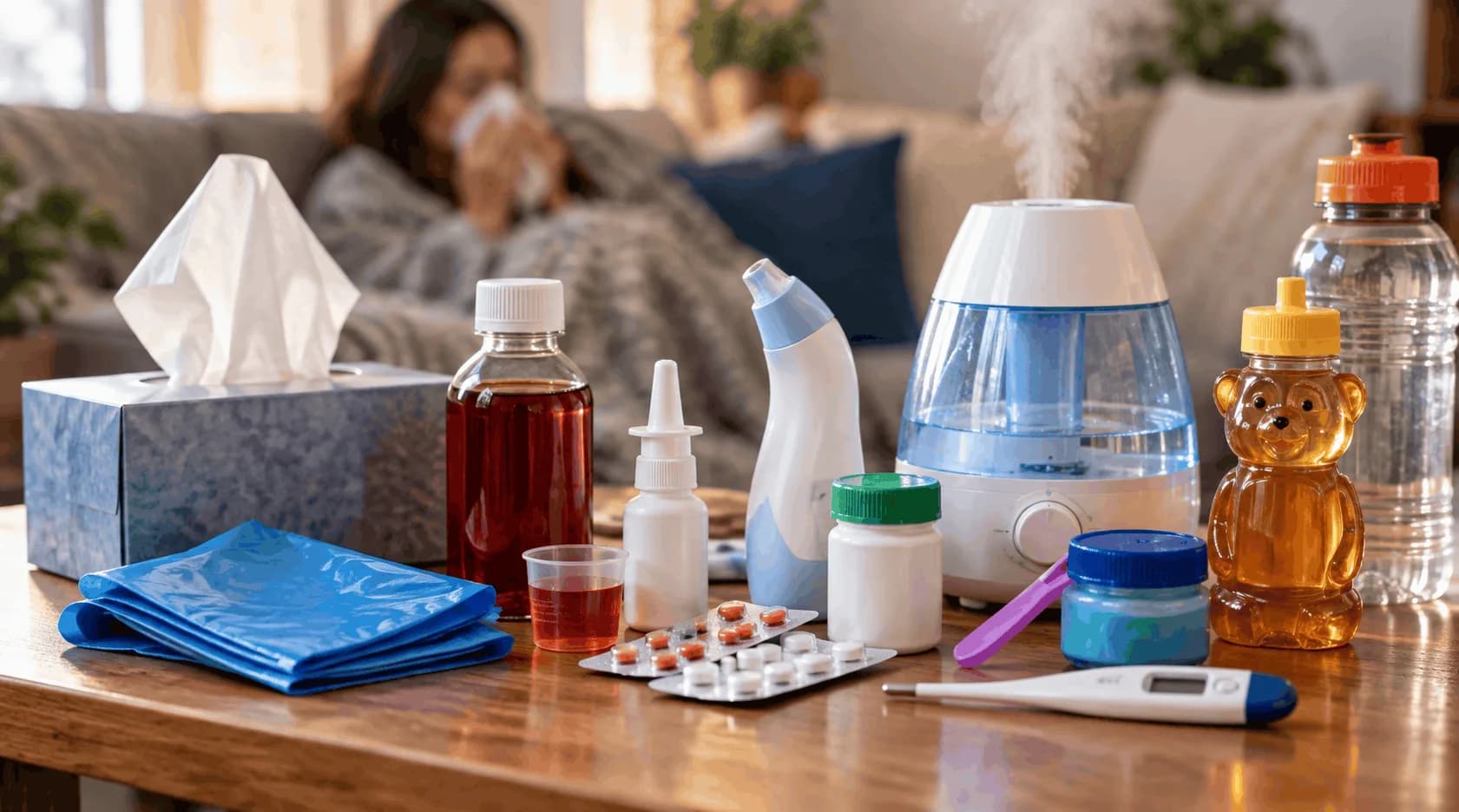
 Linkedin
 Threads
 Facebook
 X
X
Cold and flu season is arriving across the United States, bringing an annual challenge familiar to millions of American households: unexpected fevers, persistent coughs, congestion, and children waking up sick in the middle of the night.
Health professionals say one of the simplest ways to prepare is to organize a basic home-care kit before someone becomes ill.
In an October 15 report published by NPR, pediatrician Dr. Mona Amin and pharmacist Dr. Alisha Reed identified practical medications, monitoring devices, and inexpensive comfort items that families can keep readily available throughout respiratory virus season.
The recommendations arrive as Americans prepare for the period when influenza, respiratory syncytial virus (RSV), COVID-19, and common cold viruses typically circulate more widely.
But effective preparation does not require buying an expensive collection of medicines.
The real advantage comes from having the right supplies, understanding how to use them safely, and knowing when a common illness requires professional treatment.
Start With the Medicines That Address Specific Symptoms
One of the experts' most useful recommendations is to avoid purchasing medications simply because they promise to treat every cold symptom at once.
Many combination products contain several active ingredients, even when a patient needs only one.
This can increase the possibility of taking unnecessary medication or accidentally doubling the dose of an ingredient.
Instead, families can select treatments according to their most common needs.
Acetaminophen may help reduce fever and relieve discomfort. Ibuprofen can also address fever, headaches, and body aches, while naproxen is another option for certain types of pain.
These medicines have different safety considerations. Ibuprofen and naproxen may be inappropriate for people with certain kidney problems, stomach ulcers, or medication interactions. Acetaminophen can cause serious liver injury when excessive amounts are taken.
For nasal congestion, saline sprays offer a medication-free starting point.
Other options include certain decongestants, although people with high blood pressure, heart conditions, or other medical concerns should check with a clinician or pharmacist before using them.
Families should also pay attention to labels. The FDA has proposed removing oral phenylephrine from certain over-the-counter decongestants because available evidence does not support its effectiveness at recommended doses.
A medicine cabinet is most useful when every product has a clear purpose—not when it contains the greatest number of products.
Simple Household Products Can Make a Difference
Some helpful cold-season supplies are not medicines at all.
Honey can soothe an irritated throat and may help reduce coughing, particularly at bedtime. However, it must never be given to infants younger than 12 months because of the risk of infant botulism.
Saline nasal drops and sprays can loosen mucus and provide relief from congestion.
For nasal irrigation, families should use distilled, sterile, or previously boiled and cooled water rather than untreated tap water.
A clean, cool-mist humidifier may also improve comfort when indoor air becomes dry. Regular cleaning is important to prevent the buildup of microorganisms.
Hydration supplies belong in the kit as well.
Water, soup, and appropriate electrolyte solutions can help replace fluids lost through fever, vomiting, or diarrhea. Oral rehydration solutions can be particularly helpful when dehydration is a concern.
A digital thermometer is another essential purchase.
Unlike simply touching someone's forehead, a thermometer provides information that can help caregivers monitor a fever and communicate accurately with a healthcare professional.
For parents, these inexpensive products can make caring for a sick child more manageable without requiring a late-night trip to the pharmacy.
Parents Need a Different Plan for Young Children
Children cannot always use the same medications as adults, even at smaller doses.
The Food and Drug Administration warns against using over-the-counter cough and cold medicines in children younger than two because of potentially serious side effects. Manufacturers generally label these products against use in children younger than four.
Pediatric dosing for pain and fever medications also requires particular care.
Ibuprofen generally should not be given to babies younger than six months unless directed by a healthcare professional. Aspirin should not be given to children or teenagers recovering from influenza because of the risk of Reye syndrome.
Caregivers should use the correct measuring syringe or dosing device rather than household spoons.
And any fever in an infant younger than three months warrants prompt medical evaluation.
These precautions highlight why organizing supplies in advance is so valuable: parents can review medications and age restrictions calmly instead of making decisions while a child is already ill.
When Home Treatment Is Not Enough
Most uncomplicated colds improve without prescription medication.
However, influenza can cause serious complications, particularly among adults 65 and older, pregnant women, young children, and people with chronic medical conditions.
The Centers for Disease Control and Prevention recommends prompt medical consultation for people at increased risk who develop suspected flu symptoms.
Prescription antiviral medications can shorten illness and reduce certain complications, especially when started during the first two days after symptoms begin. Some patients may still benefit from treatment later.
Flu and COVID-19 testing can also help guide treatment decisions.
Families should seek emergency medical care for warning signs such as difficulty breathing, persistent chest pain, severe confusion, seizures, or signs of serious dehydration.
These symptoms require attention beyond ordinary home remedies.
Preparing Early Can Save Money and Stress
For households managing tight budgets, preparation can also be a financial decision.
Buying a few useful supplies before someone becomes sick makes it easier to compare prices, choose generic alternatives, and avoid rushed purchases.
Families do not need to buy everything at once.
A reasonable starting point includes a thermometer, an appropriate fever reducer, saline spray, tissues, honey for household members old enough to use it, and hydration supplies.
Medication expiration dates should be checked periodically, and products should be stored securely away from children.
Prevention remains equally important.
The CDC recommends staying current with appropriate vaccinations, practicing hand hygiene, improving indoor air quality, and taking steps to reduce exposure when respiratory infections are circulating.
People who become ill should generally stay home until symptoms are improving and they have been fever-free for at least 24 hours without fever-reducing medication, followed by additional precautions around others.
A Healthier Season Starts Before Anyone Gets Sick
Cold and flu season cannot be eliminated from family life, but its disruptions can often be managed more effectively.
A properly stocked medicine cabinet provides parents, caregivers, and older adults with practical tools for handling common symptoms.
It also encourages better decisions about medication safety, hydration, and when to contact a healthcare professional.
For American families, the benefit is simple: fewer unnecessary pharmacy trips, less confusion during an illness, and greater confidence in caring for loved ones.
Sometimes protecting a family's health begins with something remarkably ordinary: a thermometer, a few carefully chosen supplies, and a little preparation before the first cough arrives.